
Most UK households now rely on cards, apps, and online transfers. That is efficient for normal days. The weak point appears when local systems fail, card terminals go offline, or you need immediate payment in places that still prefer cash.
Keeping some notes at home is a continuity decision, not an investment strategy. A reserve should be purposeful, proportionate, and secured properly.
Why Emergency Cash Still Matters
Emergency cash works as a short bridge when normal payments are interrupted. It can cover food, travel, fuel, medicines, and urgent household costs while digital systems recover.

It can also support budget discipline. Some households find physical envelopes for groceries or transport easier to track than app balances.
What Is the UK Legal Position?
There is no statutory cap on how much lawful cash a private individual can keep at home. Storing your own money is not unlawful by itself.
If very large amounts are later paid into a bank, source of funds checks may follow. Keeping basic records, such as withdrawal slips or sale documents, can make those checks straightforward.
How Much Cash Is Practical to Hold?
A simple rule is to estimate essential weekly expenses, then keep one to three weeks of that amount at home. Essential spending includes groceries, transport, utilities, and urgent medicine.
For many households this falls between GBP 250 and GBP 1,200. Households with rural travel needs or lower payment reliability may keep a little more. Holding far above your continuity need increases theft and fire exposure without adding much practical benefit.
Where and How Should You Store It?
Use layered protection. A certified, anchored home safe is the strongest baseline for meaningful reserves. Spread a small amount for day to day use, and keep the rest in the secure location.
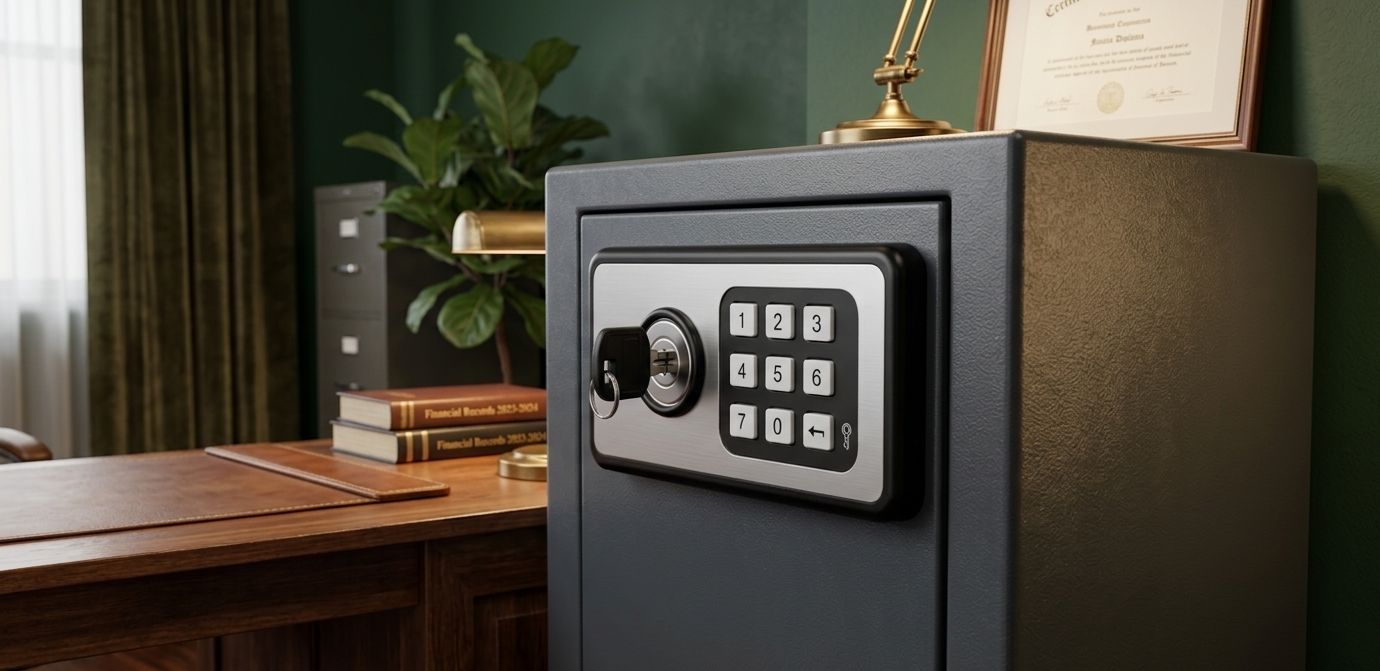
| Storage Method | Assessment | Reason |
|---|---|---|
| Anchored certified safe | Stronger | Higher resistance to theft and accidental loss. |
| Small daily wallet float | Useful | Immediate access for local purchases. |
| Cash under bedding or in drawers | Weaker | Predictable locations during opportunistic searches. |
| Kitchen or freezer hiding places | Weaker | Common patterns and potential moisture damage. |
What Do Insurance Policies Usually Cover?
Most home contents policies apply a separate cash limit, often much lower than the overall contents sum insured. Some households discover this only after a claim.
Check your latest schedule for the exact cash cap, conditions on forced entry, and any requirement for approved storage. If your reserve is above the default cap, ask your insurer whether additional cover is available.
How Often Should You Review Your Reserve?
- Review every six months.
- Recalculate after major cost changes, moving home, or income changes.
- Replace damaged notes and rotate old notes through normal spending.
- Keep reserve purpose clear: continuity, not long term accumulation.
Frequently Asked Questions
Is it legal to keep a large amount of cash at home in the UK?
Yes, lawful personal cash can be kept at home. There is no automatic legal cap. Compliance questions may arise when very large sums are later deposited.
Will home insurance automatically reimburse stolen cash?
Not always. Most policies cap cash cover at a relatively low amount and apply specific terms. Verify your policy wording before relying on it.
Should I keep all emergency savings in notes?
Usually no. Keep a modest physical reserve for continuity, then hold surplus emergency funds in regulated accounts where they remain more secure and potentially interest bearing.
What is a practical starting reserve for one adult?
Many individuals start with approximately one week of essentials, then adjust after tracking actual emergency spending needs.
Keep emergency cash at home with a clear limit and purpose. Most households benefit from a modest reserve that can cover immediate essentials for a short disruption.
Secure it properly, review insurance limits annually, and avoid treating home cash as a substitute for protected long term savings.